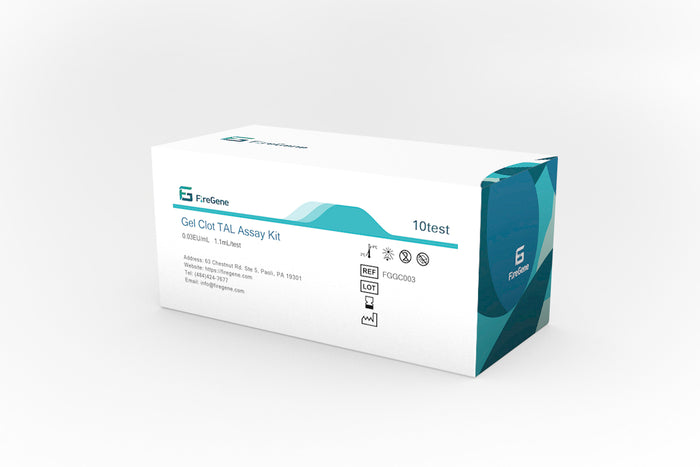
# Endotoxin Detection with Gel-Clot Assay Reagents
## Understanding the Importance of Endotoxin Detection
Endotoxins are lipopolysaccharides (LPS) found in the outer membrane of Gram-negative bacteria. These toxic substances can cause severe reactions in humans, including fever, septic shock, and even death when introduced into the bloodstream. Therefore, detecting and quantifying endotoxins is crucial in pharmaceutical manufacturing, medical device production, and other healthcare applications.
## What Are Gel-Clot Endotoxin Reagents?
Gel-clot endotoxin reagents are biological preparations used in the Limulus Amebocyte Lysate (LAL) test, which is the most widely accepted method for endotoxin detection. These reagents contain clotting factors derived from the blood cells (amebocytes) of horseshoe crabs (Limulus polyphemus).
The gel-clot method is a qualitative or semi-quantitative test that relies on the formation of a visible gel clot when endotoxins interact with the LAL reagents. This reaction occurs because endotoxins activate the coagulation cascade present in the amebocyte lysate.
## How the Gel-Clot Assay Works
The gel-clot assay procedure involves several key steps:
1. Sample preparation: The test sample is prepared according to specific protocols, often involving dilution to overcome interference factors.
2. Reagent reconstitution: The lyophilized gel-clot endotoxin reagent is reconstituted with endotoxin-free water.
3. Incubation: Equal volumes of the test sample and reconstituted reagent are mixed in depyrogenated tubes.
4. Observation: After incubation at 37°C for a specified time (usually 60 minutes), the tubes are inverted to check for gel formation.
A positive result (presence of endotoxins) is indicated by the formation of a firm gel that remains intact when the tube is inverted. A negative result shows no gel formation, with the liquid flowing freely when inverted.
## Advantages of Gel-Clot Endotoxin Reagents
The gel-clot method offers several benefits:
• Simple and straightforward interpretation (gel or no gel)
• Cost-effective compared to other LAL methods
• Requires minimal equipment – just a water bath or dry heat block
• Excellent specificity for endotoxins
• Validated for compliance with pharmacopeial requirements
## Applications in Various Industries
Gel-clot endotoxin reagents find applications across multiple sectors:
Pharmaceutical Industry
Used for testing parenteral drugs, vaccines, and medical devices that contact blood or cerebrospinal fluid to ensure they meet endotoxin limits.
Medical Device Manufacturing
Essential for validating the cleanliness of devices like implants, catheters, and dialysis equipment.
Biotechnology
Critical for quality control of biologics, recombinant proteins, and other biotechnology products.
Water Quality Testing
Applied in testing water for dialysis and other medical uses where endotoxin contamination must be minimized.
## Quality Considerations for Gel-Clot Reagents
When selecting gel-clot endotoxin reagents, several factors should be considered:
• Sensitivity: The reagent’s detection limit (typically 0.03, 0.06, 0.125, 0.25, or 0.5 EU/mL)
Keyword: Gel-Clot Endotoxin Reagents
• Lot-to-lot consistency: Important for reproducible results
• Storage conditions: Most reagents require refrigeration
• Shelf life: Typically 12-24 months when stored properly
• Compliance: Should meet USP, EP, JP, and FDA requirements
## Regulatory Compliance
The gel-clot method using LAL reagents is recognized by all major pharmacopeias:
• United States