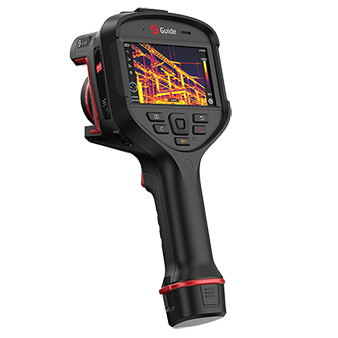
# Thermal Imaging Camera: Advanced Technology for Precise Temperature Detection
## Introduction to Thermal Imaging Cameras
Thermal imaging cameras, also known as infrared cameras, are advanced devices that detect and visualize heat patterns emitted by objects, people, or environments. Unlike traditional cameras that capture visible light, these specialized devices operate in the infrared spectrum, allowing users to see temperature variations with remarkable precision.
## How Thermal Imaging Works
Thermal cameras work by detecting infrared radiation, which is emitted by all objects with a temperature above absolute zero. The camera’s sensors convert this radiation into electronic signals, which are then processed to create a visual representation of temperature differences. Warmer objects appear brighter (often in yellow, orange, or red), while cooler areas appear darker (typically blue or purple).
Key Components of a Thermal Camera
Modern thermal imaging cameras consist of several critical components:
- Infrared detector array (usually microbolometers)
- Optical system (lens designed for IR wavelengths)
- Signal processing electronics
- Display system
- Temperature measurement algorithms
## Applications of Thermal Imaging Technology
Industrial Applications
In industrial settings, thermal cameras are invaluable for preventive maintenance. They can detect overheating components in electrical systems, identify insulation deficiencies in buildings, and monitor mechanical equipment for abnormal heat patterns that may indicate impending failure.
Medical and Healthcare Uses
The medical field utilizes thermal imaging for various diagnostic purposes, including detecting inflammation, monitoring blood flow, and screening for fever in public health situations. During the COVID-19 pandemic, thermal cameras became essential tools for mass temperature screening.
Security and Surveillance
Security professionals rely on thermal cameras for 24/7 monitoring, as they can detect intruders in complete darkness, through smoke, or in challenging weather conditions where traditional cameras might fail.
Firefighting and Emergency Response
Firefighters use thermal imaging to see through smoke, locate hotspots in burning structures, and find victims in low-visibility conditions. These cameras can literally mean the difference between life and death in emergency situations.
## Advantages of Thermal Imaging Cameras
Thermal cameras offer several significant advantages over other temperature measurement methods:
- Non-contact measurement (safe for hazardous or moving objects)
- Ability to scan large areas quickly
- Works in complete darkness
- Can see through certain materials like smoke and fog
- Provides visual temperature data rather than single-point measurements
## Choosing the Right Thermal Imaging Camera
Factors to Consider
When selecting a thermal camera, consider these important factors:
- Temperature range needed for your applications
- Resolution (both thermal and visual if combined)
- Field of view requirements
- Accuracy specifications
- Environmental conditions where it will be used
- Connectivity and data storage options
Recent Technological Advancements
Modern thermal cameras now feature:
- Higher resolution detectors (up to 1024×768 pixels)
- Improved temperature measurement accuracy (±1°C or better)
- Smaller, more portable designs
- Integration with smartphones and tablets
- Advanced analytics and reporting software
Keyword: thermal image camera
## Future of Thermal Imaging Technology
The thermal imaging market continues to grow rapidly, with innovations including:
- AI-powered image analysis for automatic fault detection
- Lower-cost solutions