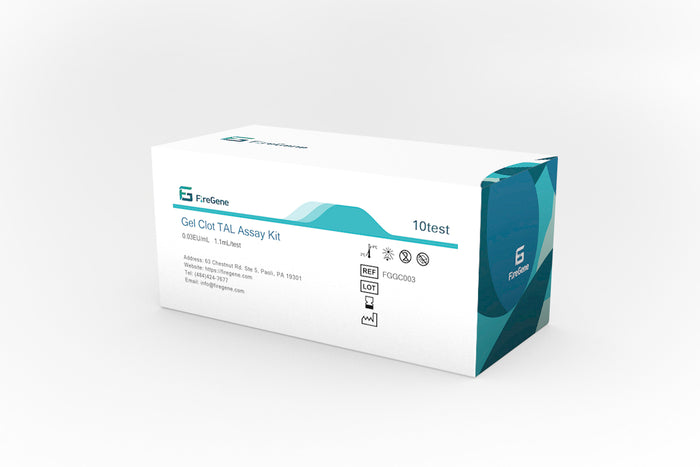
# Endotoxin Detection with Gel-Clot Reagents: Principles and Applications
## Introduction to Gel-Clot Endotoxin Reagents
Gel-clot endotoxin reagents are a fundamental tool in the pharmaceutical and medical device industries for detecting bacterial endotoxins. These reagents play a critical role in ensuring product safety and compliance with regulatory standards. The gel-clot method is one of the oldest and most reliable techniques for endotoxin detection, offering simplicity and robustness in various applications.
## The Principle Behind Gel-Clot Endotoxin Testing
The gel-clot method is based on the reaction between endotoxins and a clotting enzyme found in the blood of the horseshoe crab (Limulus polyphemus or Tachypleus tridentatus). This reaction forms the basis of the Limulus Amebocyte Lysate (LAL) test, which includes the gel-clot technique.
When endotoxins come into contact with the LAL reagent, they trigger a cascade of enzymatic reactions that ultimately result in the formation of a gel clot. The presence or absence of this clot indicates whether endotoxins are present in the sample above a certain threshold concentration.
## Components of Gel-Clot Endotoxin Reagents
Gel-clot endotoxin reagents typically consist of:
– LAL (Limulus Amebocyte Lysate)
– Buffer solutions
– Control standard endotoxin (CSE)
– Positive and negative controls
The reagents are carefully standardized to ensure consistent performance and reliable results in endotoxin detection.
## Applications of Gel-Clot Endotoxin Testing
### Pharmaceutical Manufacturing
Gel-clot endotoxin testing is widely used in pharmaceutical manufacturing to ensure that injectable drugs and medical devices are free from harmful levels of endotoxins. This is particularly important for products that will be administered parenterally (by injection or infusion).
### Medical Device Testing
Medical devices that come into contact with blood or cerebrospinal fluid must be tested for endotoxins. The gel-clot method provides a reliable means of verifying that these devices meet safety standards.
### Water Quality Monitoring
The gel-clot technique is also employed in monitoring water systems used in pharmaceutical production to ensure they meet the required endotoxin limits for purified water and water for injection.
## Advantages of Gel-Clot Endotoxin Testing
The gel-clot method offers several advantages:
– Simple visual endpoint (clot formation)
– No requirement for expensive instrumentation
– High specificity for endotoxins
– Well-established regulatory acceptance
– Cost-effective for many applications
## Limitations and Considerations
While the gel-clot method is highly reliable, there are some limitations to consider:
– Semi-quantitative nature (only indicates whether endotoxin levels are above or below a threshold)
– Requires careful temperature control
– May be less sensitive than other LAL methods like chromogenic or turbidimetric assays
– Requires trained personnel to interpret results accurately
Keyword: Gel-Clot Endotoxin Reagents
## Regulatory Compliance
Gel-clot endotoxin testing is recognized by major pharmacopeias including:
– United States Pharmacopeia (USP)
– European Pharmacopoeia (EP)
– Japanese Pharmacopoeia (JP)
The method complies with requirements for bacterial endotoxin testing as outlined in these regulatory documents.
## Future Perspectives
While newer technologies have emerged for endotoxin detection, the gel-clot method remains a valuable tool due to its simplicity and reliability. Ongoing research continues to improve the stability and performance of gel-clot reagents, ensuring their continued relevance in quality control laboratories worldwide.
For many applications, especially in resource-limited settings or for products with well-established testing protocols, gel-clot endotoxin reagents provide an excellent balance of performance, reliability, and cost-effectiveness.